
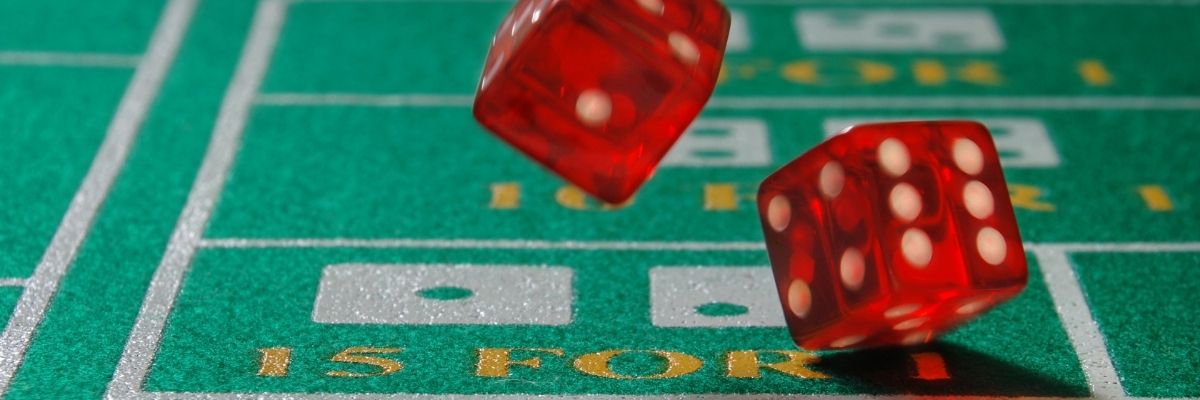
The simple act of rolling dice seems straightforward, but a subtle controversy simmers beneath the surface: the dice bounce. Does how your dice bounce, or the presence of any bounce at all, influence the outcome of a roll? This question has implications for fairness in games, the perceived randomness of results, and even the psychology of the players involved. This article delves into the dice bounce debate, exploring its potential impact and whether it truly matters.
| Topic | Explanation | Relevance |
|---|---|---|
| Definition of Dice Bounce | The movement of dice after they initially hit a surface, involving one or more secondary impacts before coming to rest. This includes the height, number, and direction of bounces. | Directly related to the debate; understanding what constitutes a bounce is fundamental. |
| Arguments for Bounce Mattering | Claims that a lack of sufficient bounce can lead to predictable or manipulated results. This often involves concerns about dice settling quickly due to imperfections, leading to biased outcomes. | Highlights the potential for non-randomness and unfairness. |
| Arguments Against Bounce Mattering | Argues that even without significant bouncing, the initial throw and the chaotic nature of physics still introduce sufficient randomness. Furthermore, properly manufactured dice are designed to mitigate bias regardless of the bounce. | Emphasizes the inherent randomness of the dice and the quality control measures in place. |
| Dice Manufacturing Tolerances | The acceptable range of variations in weight, shape, and balance during dice production. Tighter tolerances lead to more balanced dice. | Reveals the level of precision involved in dice manufacturing and its impact on randomness. |
| Surface Material Influence | Different surfaces affect the bounce of dice. Soft surfaces like felt absorb energy, while hard surfaces like wood or metal allow for more bounce. Texture and levelness also play a role. | Explains how the playing environment can alter dice behavior. |
| Dice Rolling Techniques | Various methods of throwing dice, including cup shaking, hand rolling, and dice towers. Each technique can influence the bounce and randomness of the outcome. | Demonstrates how player action can influence randomness. |
| Statistical Analysis of Dice Rolls | Studies and experiments conducted to determine if there is a statistically significant deviation from expected probabilities in dice rolls, both with and without significant bounce. | Provides empirical evidence (or lack thereof) supporting claims about biased outcomes. |
| Impact on Game Rules | Some games have specific rules about dice rolling, including requirements for dice to bounce off specific surfaces or to be re-rolled if they don’t meet certain criteria. | Shows how the bounce debate manifests in actual gameplay. |
| Psychological Impact | The perception of fairness and randomness can affect player enjoyment and trust in the game. A belief that dice rolls are being manipulated (even if unfounded) can negatively impact the gaming experience. | Highlights the subjective experience of players and the importance of perceived fairness. |
| Dice Towers as a Solution | Devices designed to introduce randomness by forcing dice to tumble and bounce multiple times before landing. Often used to address concerns about manipulated or biased dice rolls. | Presents a practical solution for players concerned about the dice bounce issue. |
| Common House Rules | Many players will implement house rules to ensure fairness. Common rules state that a die must bounce off a surface, or the roll doesn’t count. | Illustrates the practical application of the debate in casual gaming. |
Detailed Explanations
Definition of Dice Bounce: The dice bounce refers to the movement of a die after it’s initially thrown and makes contact with a surface. It involves the die impacting the surface one or more times before settling on a final face. The characteristics of the bounce include its height, the number of times the die bounces, and the direction of those bounces. Understanding the specifics of what constitutes a bounce is crucial for evaluating its potential influence on the outcome of a dice roll.
Arguments for Bounce Mattering: Proponents of the argument that dice bounce matters often suggest that a lack of sufficient bounce can lead to predictable or manipulated results. They believe that imperfections in dice, such as slight imbalances or uneven edges, can cause them to settle quickly if they don’t bounce adequately. This, in turn, may introduce a bias towards certain numbers. The argument is that the bounce helps to randomize the outcome by disrupting any inherent tendencies in the die itself.
Arguments Against Bounce Mattering: Conversely, those who argue against the significance of dice bounce suggest that even without extensive bouncing, the initial throw and the inherent chaos of physics introduce enough randomness. They point out that the force and angle of the throw, combined with the die’s rotation, create a complex system that’s difficult to predict. Furthermore, they emphasize that properly manufactured dice are designed to minimize bias, regardless of the bounce. High-quality dice undergo strict quality control to ensure balance and fairness.
Dice Manufacturing Tolerances: Dice manufacturing tolerances refer to the acceptable range of variations in weight, shape, and balance during the production process. These tolerances are crucial for ensuring the fairness of dice. Higher quality dice have tighter tolerances, meaning there’s less variation between individual dice and less deviation from a perfectly balanced cube. Tighter tolerances lead to more predictable and random results, minimizing the potential for bias.
Surface Material Influence: The surface on which dice are rolled significantly affects their bounce. Hard surfaces like wood or metal allow for greater bounce, as they reflect more energy back into the dice. Soft surfaces like felt or cloth absorb energy, reducing the bounce. The texture and levelness of the surface also play a role, with uneven surfaces causing unpredictable bounces. The type of surface used can therefore contribute to the overall randomness (or lack thereof) in the dice roll.
Dice Rolling Techniques: Various techniques are used to roll dice, each potentially influencing the bounce and randomness of the outcome. These include cup shaking, where dice are shaken in a cup before being released; hand rolling, where dice are rolled directly from the hand; and the use of dice towers, which force dice to tumble and bounce multiple times. The technique used can affect the initial velocity, rotation, and angle of the dice, all of which contribute to the bounce characteristics.
Statistical Analysis of Dice Rolls: Statistical analysis plays a vital role in determining whether the dice bounce truly matters. Researchers conduct studies and experiments to analyze dice rolls, comparing the observed frequencies of each number with the expected probabilities. These analyses can reveal whether there’s a statistically significant deviation from expected results, indicating a potential bias. Studies often compare rolls with and without significant bounce to assess the impact of the bounce itself.
Impact on Game Rules: The dice bounce debate is often reflected in the rules of various games. Some games have specific rules about how dice must be rolled, including requirements for dice to bounce off a particular surface or to be re-rolled if they don’t bounce sufficiently. These rules are often implemented to ensure fairness and prevent perceived manipulation of the dice.
Psychological Impact: Even if the dice bounce doesn’t significantly affect the statistical outcome of a roll, it can still have a psychological impact on players. The perception of fairness and randomness is crucial for player enjoyment and trust in the game. If players believe that dice rolls are being manipulated or that the bounce is insufficient, it can negatively affect their gaming experience, even if the belief is unfounded.
Dice Towers as a Solution: Dice towers are devices designed to introduce a consistent and randomized bounce to dice rolls. They typically consist of a series of internal baffles that force dice to tumble and bounce multiple times before landing. Dice towers are often used to address concerns about manipulated or biased dice rolls, ensuring that all dice experience a similar level of bounce and randomization. They provide a visual and tactile sense of fairness, which can enhance the gaming experience.
Common House Rules: Many players will implement house rules to ensure fairness. Common rules state that a die must bounce off a surface, or the roll doesn’t count. These rules are put in place to ensure that the dice roll is random.
Frequently Asked Questions
-
Does dice bounce really matter?
Statistically, probably not for well-made dice. However, perceived fairness and player psychology often make it a relevant concern. -
Are some dice more prone to bias than others?
Yes. Poorly manufactured or unbalanced dice can be more prone to settling on certain numbers. -
What’s the best way to ensure fair dice rolls?
Use high-quality dice, a consistent rolling technique, and consider using a dice tower. -
Do dice towers guarantee perfectly random results?
While they increase randomness, no method can guarantee perfect randomness due to the complexity of physics. -
Should I implement a "bounce rule" in my games?
It depends on your group. If players are concerned about fairness, a bounce rule can help alleviate those concerns.
Conclusion
The dice bounce debate, while seemingly minor, touches upon fundamental aspects of gaming: fairness, randomness, and player perception. While statistical evidence may not always support the notion that bounce significantly alters outcomes with properly manufactured dice, the psychological impact and the potential for poorly made dice to exhibit bias make it a relevant consideration. Ultimately, addressing concerns about dice bounce can enhance the gaming experience and ensure a more enjoyable time for all players.