
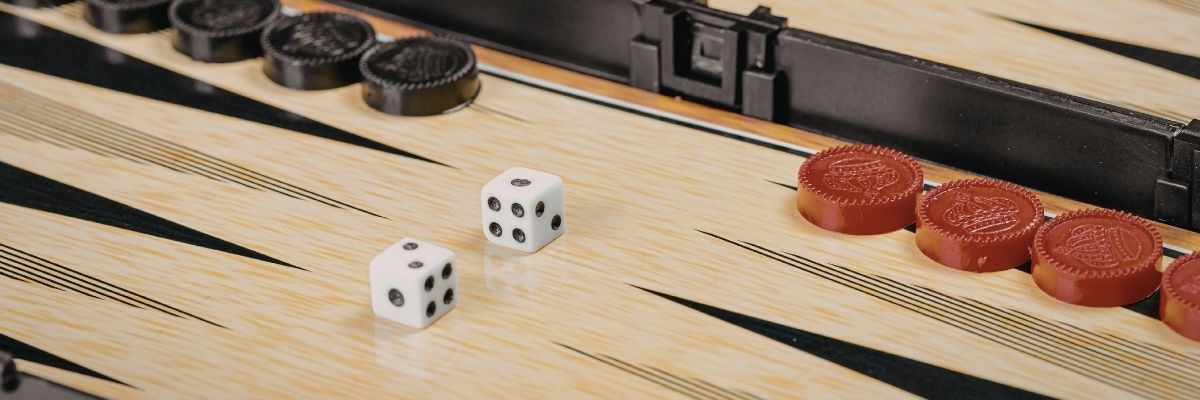
The electrifying roll of the dice, the collective roar of the crowd, the sheer kinetic energy of a craps table – it’s an experience unlike any other in the casino. While many players simply throw down chips on a whim, a growing number are seeking to bring a more structured approach to their play, hoping to navigate the thrilling highs and inevitable lows with greater control. This quest often leads them to the fascinating world of progressive betting systems, a strategic framework designed to adjust your wagers based on previous outcomes, aiming to optimize wins or mitigate losses over a playing session.
These systems aren’t magic bullets, nor do they promise to defy the casino’s inherent edge. Instead, they offer a disciplined method for managing your bankroll and ride the natural ebbs and flows of luck, transforming a purely random game into one where thoughtful decision-making plays a more prominent role. For those who love the game but yearn for a deeper level of engagement beyond just hoping for the best, understanding progressive betting can unlock a whole new dimension of craps strategy.
What’s the Big Deal with Progressive Betting in Craps?
So, why are craps enthusiasts even talking about progressive betting? At its core, it’s about trying to impose some order on chaos. Craps is a game of streaks – sometimes you can’t miss, and other times, well, let’s just say the dice aren’t your friends. Progressive betting systems give you a roadmap for how to react to these streaks.
Think of it this way: instead of betting the same amount every single roll, you’re adjusting your bet size. This adjustment is based on whether your previous bet won or lost. The idea is to capitalize on winning streaks or recover from losing ones in a structured manner. It’s not about changing the odds of the game; it’s about changing how you interact with those odds. For a game as fast-paced and exciting as craps, having a clear plan can be a real game-changer for your focus and bankroll management.
Diving Into the Systems: Which One’s Your Style?
When it comes to progressive betting, there are two main camps: negative progression and positive progression.
- Negative Progression: These systems involve increasing your bet after a loss. The goal is that when you eventually win, that single win will recover all previous losses plus a small profit.
- Positive Progression: These systems involve increasing your bet after a win. The idea here is to maximize profits during winning streaks and minimize losses during cold spells by only increasing your risk when you’re already ahead.
Let’s break down some of the most popular systems and see how they might play out at the craps table.
1. The Martingale System: Chasing Losses (Carefully!)
Ah, the Martingale. It’s probably the most famous (or infamous) progressive betting system out there. It’s a negative progression system that’s deceptively simple:
-
How it works: You start with a base unit bet. Every time you lose, you double your previous bet. When you win, you go back to your original base unit.
-
Craps Application: This is often applied to even-money bets like the Pass Line or Don’t Pass Line. For example, you bet $10 on the Pass Line. If you lose, your next bet is $20. If you lose again, it’s $40, then $80, and so on. The theory is that eventually, you must win, and that win will recoup all your prior losses plus your initial unit.
-
Why people love it: In theory, you can’t lose in the long run, as one win erases all previous losses.
-
The Harsh Reality Check: The Martingale system has a major flaw: table limits and bankroll limits. You can hit the table maximum bet or simply run out of money before your win comes. A short losing streak can escalate your bets astronomically fast. Imagine losing five $10 Pass Line bets in a row: your next bet would be $320! Six losses? $640! Most tables have a $500 or $1000 max.
- Crucial Tip: If you’re even considering Martingale, set strict stop-loss limits. Know exactly how many losses you can afford before walking away, regardless of the system.
2. The Reverse Martingale (or Paroli) System: Riding the Hot Hand
If Martingale is about chasing losses, the Reverse Martingale, often called the Paroli system, is its optimistic cousin. This is a positive progression system:
-
How it works: You start with a base unit bet. Every time you win, you double your previous bet. When you lose, you go back to your original base unit.
-
Craps Application: Again, typically used on even-money bets like the Pass Line or Don’t Pass Line. You bet $10 on the Pass Line. If you win, your next bet is $20. If you win again, it’s $40. If you then lose, you revert to $10.
-
Why people love it: The beauty here is that you’re only increasing your bets when you’re already winning, using the casino’s money. A good winning streak can lead to significant profits, and a losing streak only costs you your initial base unit bet per loss.
-
The Catch: The downside is knowing when to stop. If you keep doubling and then hit a loss, you wipe out all the profits from that streak. Many players using Paroli will aim for a specific number of wins (e.g., three wins in a row) before “cashing out” their profits and reverting to the base bet.
- Smart Play: Decide on a profit target for each sequence (e.g., after 2 or 3 wins, collect your winnings and restart). This protects your profits from an inevitable loss.
3. The D’Alembert System: A Gentler Approach
For those who find the Martingale too aggressive, the D’Alembert system offers a more conservative negative progression.
-
How it works: You start with a base unit bet. After a loss, you increase your next bet by one unit. After a win, you decrease your next bet by one unit. You never bet less than your original base unit.
-
Craps Application: Works well on the Pass/Don’t Pass lines or even Come/Don’t Come bets. If your base unit is $10:
- Bet $10, lose. Next bet: $20.
- Bet $20, lose. Next bet: $30.
- Bet $30, win. Next bet: $20.
- Bet $20, win. Next bet: $10.
-
Why people love it: It’s much less volatile than Martingale. Losing streaks don’t escalate your bets as quickly, making it easier on your bankroll. It aims to recover losses gradually.
-
The Trade-off: Recovery is slower. A long losing streak can still eat away at your bankroll, and a subsequent winning streak might take a while to get you back to even, let alone profit.
- Key Insight: This system is more about managing fluctuations and aiming for small, consistent gains rather than big hits. It requires patience.
4. Oscar’s Grind: Small Profits, Steady Wins
Oscar’s Grind is a positive progression system that focuses on achieving a single unit of profit for each “cycle” of betting, then restarting. It’s designed for slow, steady accumulation.
-
How it works:
- Start with a base unit bet.
- If you lose, your next bet remains the same.
- If you win, you increase your next bet by one unit, unless that increase would put you more than one unit ahead of your starting bankroll for that cycle. In that case, you bet only what’s needed to achieve a one-unit profit.
- Once you achieve a one-unit profit, the cycle ends, and you restart with your base unit.
-
Craps Application: Best suited for even-money bets like Pass/Don’t Pass.
- Example (base unit $10):
- Bet $10, lose. Next bet: $10 (current cycle loss: $10)
- Bet $10, lose. Next bet: $10 (current cycle loss: $20)
- Bet $10, win. Next bet: $20 (current cycle loss: $10, if next bet is $20 and wins, profit would be $10, so you need to bet $20 to make a $10 profit)
- Bet $20, win. Cycle ends, you’ve made a $10 profit. Restart at $10.
- Example (base unit $10):
-
Why people love it: It’s very conservative. You’re never risking large amounts, and the goal of a single unit profit per cycle is realistic and achievable. It protects your bankroll during losing streaks.
-
The Downside: Profits are small. It’s not a system for getting rich quickly. It also requires careful tracking of your current cycle’s profit/loss, which can be tricky in the fast-paced craps environment.
- Pro Tip: This system demands discipline and a clear understanding of your current P&L for the cycle. It’s less about chasing big wins and more about gradual accumulation.
The Elephant in the Room: Free Odds in Craps
One of the most powerful aspects of craps, and something that can be combined with progressive systems, is the Free Odds bet. This is a special bet you can make after a Pass Line or Don’t Pass Line point has been established.
-
Why it matters: The Free Odds bet has no house edge. That’s right, zero! The casino pays you true odds on this portion of your wager.
-
How it fits: When using a progressive system on your Pass/Don’t Pass line, you can place Free Odds behind your initial bet. While the progressive system only affects your initial flat bet, the Free Odds portion can significantly reduce the overall house edge of your total wager.
- Strategic Play: Always take full odds if your bankroll allows. It’s the best bet on the table, and it complements any flat bet strategy, progressive or not.
Beyond the System: Essential Craps Strategy & Mindset
No progressive system, no matter how clever, will guarantee you wins. The casino always has an edge. However, these systems can be powerful tools for bankroll management and emotional control.
Here are some non-negotiables for any serious craps player:
- Set a Stop-Loss Limit: Before you even place your first bet, decide how much you’re willing to lose in a session. Once you hit that limit, walk away. Period.
- Set a Win Goal: Similarly, decide on a profit target. If you hit it, consider cashing out and enjoying your winnings. Don’t get greedy!
- Understand the House Edge: Know which bets offer the best odds (Pass/Don’t Pass, Come/Don’t Come, and especially Free Odds) and which ones are sucker bets (Any 7, Hardways, Horn Bets). Stick to the good bets.
- Practice in Demo Mode: If playing online, try out your chosen system with play money first. Get comfortable with the bet adjustments before putting real cash on the line.
- Stay Sober and Focused: Craps is fast. Distractions or impaired judgment can lead to costly mistakes, especially when trying to follow a system.
- It’s Entertainment: Remember that gambling is a form of entertainment. Approach it with a budget for fun, not as a guaranteed path to wealth.
Frequently Asked Questions About Progressive Betting
Q: Do progressive betting systems actually work?
A: They don’t change the underlying house edge, so they won’t guarantee long-term profits. However, they can help manage your bankroll and structure your play over a session.
Q: Which progressive system is best for craps?
A: There’s no single “best” system; it depends on your risk tolerance and goals. Positive progression systems like Paroli or Oscar’s Grind are generally safer as they risk less of your own money during losing streaks.
Q: Can I use progressive betting on any craps bet?
A: While technically possible, they’re most effective and commonly applied to even-money bets like Pass Line or Don’t Pass Line due to their higher frequency of resolution.
Q: What is the biggest risk with progressive betting?
A: The biggest risk is hitting table limits or running out of bankroll, especially with negative progression systems like Martingale, during a prolonged losing streak.
Q: Should I combine progressive betting with Free Odds?
A: Absolutely! Always take full Free Odds when playing Pass/Don’t Pass, as it’s the only bet on the table with no house edge, significantly improving your overall odds.
Q: Does the casino care if I use a progressive system?
A: No, casinos are generally indifferent. As long as you’re betting within their rules and limits, your system won’t be an issue for them.
Final Thoughts on Progressive Play
Progressive betting systems in craps offer a fascinating layer of strategy and discipline to an already exciting game. While they won’t magically eliminate the house edge, they provide a structured approach to managing your bankroll and navigating the game’s inherent volatility. Remember to always play responsibly, set clear limits, and enjoy the ride!