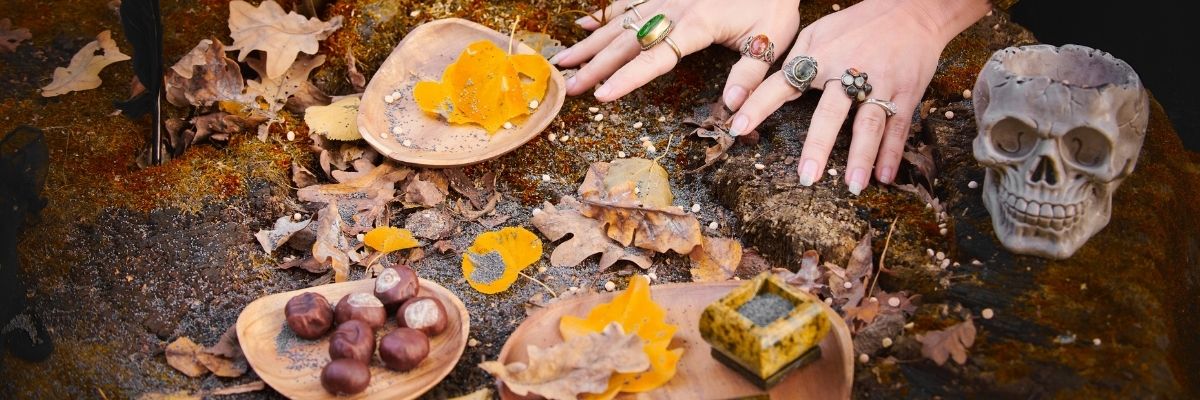
The electric energy of a craps table is unlike anything else in a casino. The roar of the crowd, the rhythmic chant of the stickman, the anticipation hanging in the air as the dice tumble – it’s a symphony of excitement and chance. But beyond the calculated odds and strategic betting lies a fascinating world of rituals, superstitions, and popular beliefs that are as much a part of the game as the dice themselves. These “lucky rituals” aren’t just quirky habits; they’re deeply ingrained cultural elements that add a unique layer of human psychology and shared experience to every roll, making understanding them key to truly appreciating the game’s vibrant spirit.
Welcome to the Craps Table: Where Luck Gets a Starring Role
Picture this: you’re standing shoulder-to-shoulder with a dozen strangers, all focused on a pair of dice. The stakes are real, the pace is exhilarating, and the outcome feels utterly random. It’s precisely this combination of high energy and pure chance that makes craps such a fertile ground for superstition. When control feels out of reach, our minds often seek patterns, create connections, and cling to rituals, hoping to nudge fate just a little bit. It’s not about logic; it’s about the thrilling dance between hope and uncertainty.
The Sacred Shooter: Nurturing That “Hot Hand”
At the heart of the craps table is the “shooter” – the person rolling the dice. This individual becomes the temporary focal point of everyone’s hopes and fears, and naturally, they’re often the most superstitious.
- The Pre-Roll Ritual: Before the dice even leave their hand, you’ll see a variety of personal rituals. Some shooters will shake the dice a specific number of times, others might tap them on the table, and many will blow on them for good luck. This isn’t just for show; it’s an attempt to imbue the dice with positive energy.
- The “Seven Out” Taboo: This is perhaps the most famous and universally observed superstition. You never, ever say the word “seven” at a craps table when a shooter is trying to make their point. It’s believed to be a jinx that will immediately cause the shooter to roll a seven, ending their turn and potentially busting everyone’s bets. Instead, people use euphemisms like “the devil” or “big red.”
- The “Hot” vs. “Cold” Hand: A shooter who’s making points consistently is said to have a “hot hand,” and everyone is eager to bet alongside them. Conversely, a “cold hand” means the shooter is rolling sevens too often, and players might reduce their bets or even wait for a new shooter. There’s no statistical basis for this, but the belief is powerful.
Your Lucky Charm: Bringing Your Own Piece of Fortune
It’s not just the shooter; many players bring their own personal talismans to the craps table, believing these items can influence their luck.
- Physical Objects: This could be anything from a worn-out rabbit’s foot, a lucky coin, a specific piece of jewelry, or even a particular article of clothing. Players might rub their charm before a roll or keep it prominently displayed.
- “Lucky” Clothing: Some people swear by wearing a specific shirt, hat, or even underwear when they gamble. If they had a winning streak in a particular outfit, that outfit becomes their “lucky” uniform for future sessions.
- Ritualistic Actions: Beyond objects, some players have personal actions. Tapping the table a certain way, placing chips in a specific pattern, or even standing in a particular spot at the table can all be part of a player’s lucky ritual.
The Unspoken Rules: Table Etiquette and Taboos That Go Beyond Strategy
Craps tables have their own unique set of unwritten rules, many of which stem from superstitious beliefs rather than formal casino regulations.
- Don’t Touch the Dice Mid-Roll: Once the dice are thrown, they are sacred. Reaching out and touching them before they’ve settled is a major faux pas and believed to interrupt their “luck.”
- Don’t Distract the Shooter: A shooter needs their focus. Anything that breaks their concentration – a loud shout, an accidental bump, or even a sudden movement – can be seen as bad luck for the current roll.
- The “New Shooter” Buzz: When a new shooter steps up, there’s often a fresh wave of optimism. Many players believe a new shooter brings “fresh luck,” and it’s a popular time to place or increase bets.
- Betting Against the Shooter (The “Don’t Pass” Line): While strategically valid, betting on the “Don’t Pass” line (betting that the shooter will seven out) can sometimes be seen as a bit taboo, especially if the shooter is on a hot streak. Some players feel it’s akin to wishing bad luck upon the table, even though it’s a legitimate part of the game. It’s a good example of how social dynamics and belief systems can influence even the most rational betting choices.
The Psychology Behind the Shine: Why We Cling to These Rituals
So why do these rituals persist, even among seasoned gamblers who understand the mathematical odds? It boils down to fundamental human psychology.
- The Illusion of Control: Craps is a game of pure chance. Superstitions offer a psychological safety net, providing a feeling of control in an inherently uncontrollable situation. If you can’t control the dice, perhaps you can control something that influences them.
- Anxiety Reduction: Gambling can be stressful. Performing a ritual can be a coping mechanism, helping to reduce anxiety and create a sense of calm or focus before a high-stakes moment.
- Social Bonding and Shared Experience: Many craps rituals are shared among players. Participating in them fosters a sense of camaraderie and belonging at the table. It’s a collective belief system that enhances the communal experience.
- Confirmation Bias: When a ritual is followed by a win, we tend to remember and reinforce the connection. When it’s followed by a loss, we might attribute it to other factors or simply forget the instance, strengthening our belief in the ritual’s efficacy.
- Tradition and Culture: These beliefs are passed down through generations of gamblers, becoming part of the rich tapestry and culture of the game itself. They’re simply “how things are done” at the craps table.
Embracing the Fun: How to Enjoy Craps Rituals Responsibly
Understanding craps rituals isn’t about believing they work; it’s about appreciating the unique culture of the game and enhancing your own enjoyment.
- It’s Entertainment, Not Strategy: Remember, no ritual, charm, or superstition can alter the true mathematical odds of craps. The dice have no memory, and each roll is an independent event.
- Don’t Let Rituals Dictate Your Betting: Always base your betting decisions on your bankroll management, an understanding of the odds, and your personal risk tolerance, not on a feeling or a lucky charm.
- Respect Others’ Beliefs: While you don’t have to adopt every superstition, it’s good form to respect the beliefs of others at the table. Avoid saying “seven” if someone is shooting, and don’t mock someone’s lucky charm. It contributes to a positive and fun atmosphere.
- Participate for Fun: If blowing on the dice or having a lucky coin makes the game more enjoyable for you, go for it! These rituals add to the theatricality and communal spirit of craps. Just make sure you understand the difference between fun and fact.
- Focus on the Game’s Mechanics: The real thrill and challenge of craps come from understanding its rules, bets, and payouts. Master these, and you’ll be well-equipped to enjoy the game, rituals or not.
Frequently Asked Questions About Craps Rituals
- Do lucky rituals actually work in craps? No, rituals have no impact on the outcome of a craps roll, which is determined purely by chance. They provide psychological comfort and enhance the gaming experience.
- Is it rude to ignore craps rituals at the table? While you don’t have to perform rituals yourself, it’s generally polite to respect common taboos like not saying “seven” when someone is shooting. This helps maintain a positive atmosphere.
- What’s the biggest craps taboo? Saying the word “seven” while a shooter is trying to make their point is widely considered the biggest jinx and taboo at the craps table.
- Should I bet based on these rituals? No, always base your bets on a solid understanding of craps odds and responsible bankroll management, not on superstitious beliefs.
- Are craps beliefs unique to this game? While some are specific to craps, the underlying human tendency to create rituals and superstitions in games of chance is common across many forms of gambling.
Craps rituals are a vibrant, fascinating part of the game’s culture, adding a layer of communal fun and human psychology to every roll. Embrace them for the entertainment they provide, but always remember that genuine success at the table comes from understanding the game’s mechanics and playing responsibly.